
The best material depends on how the badge will be used. A school badge worn daily needs durability and easy care, while a club crest for events may prioritise sharp detail and a premium finish.
What should they consider before choosing a badge material?
When choosing Badges for Blazers, they should start with how the badge will be worn and maintained. Daily use, washing, friction from straps, and repeated pinning all affect longevity.
They should also consider the blazer fabric and drape. Heavier badges can pull on lightweight wool blends, while very rigid badges may sit awkwardly on curved lapels or pockets.
Which material is best for everyday school blazer badges?
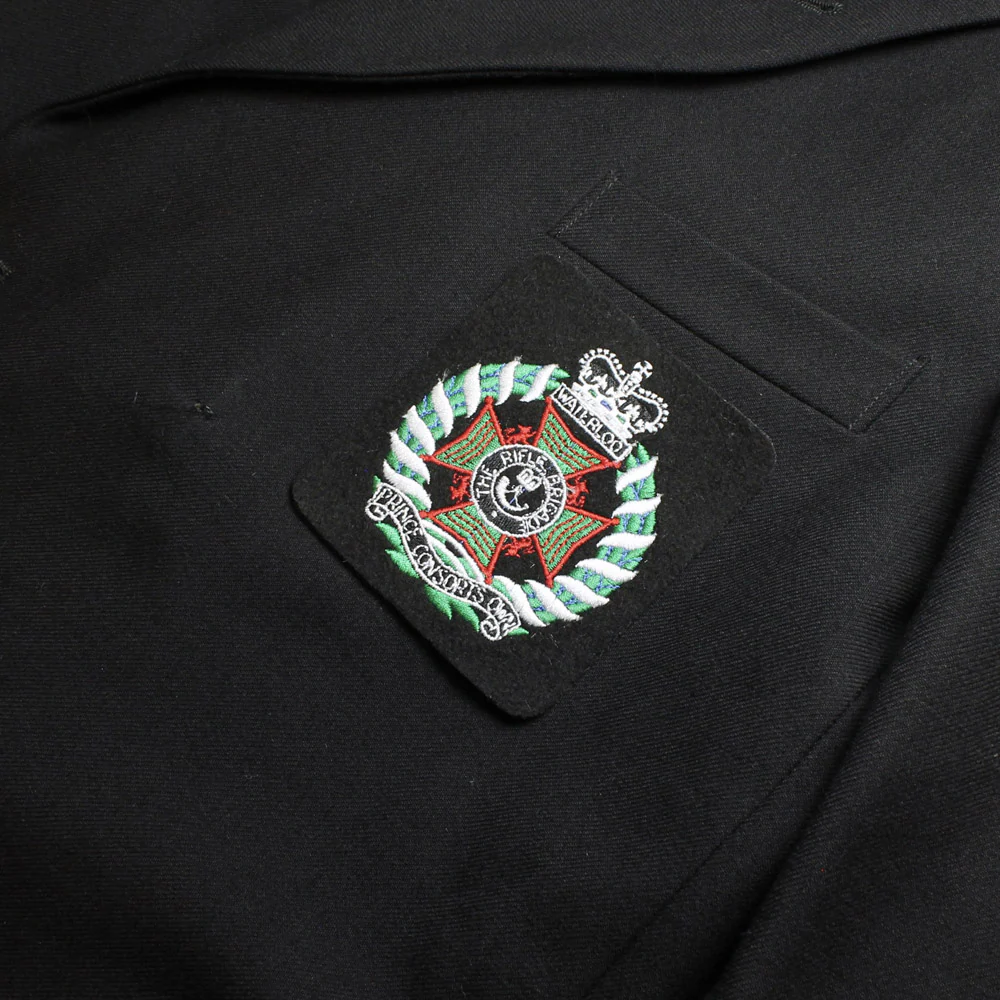
Embroidered fabric is usually the most practical for everyday school use. It handles abrasion well, stays presentable after lots of wear, and can be stitched on securely so it does not twist or fall off.
Woven badges also work well for schools when the design has fine lines or small text. They tend to look neater at close range, though they can feel slightly flatter and less traditional than embroidery.
Are embroidered badges the best all-round choice?
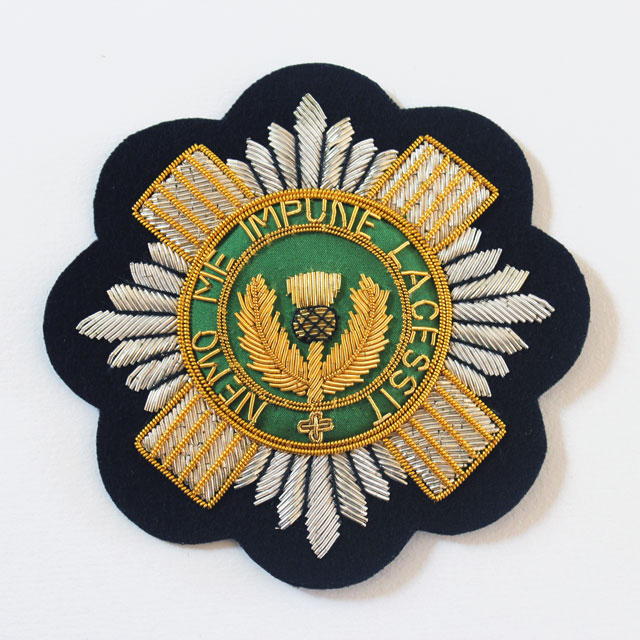
Embroidered badges are often the best all-rounder because they balance durability, texture, and a classic look. The raised thread gives depth, which suits crests, shields, and simple motifs.
They are not perfect for every design. Very small lettering, thin outlines, or complex gradients can lose clarity in embroidery, so they may need simplification or a switch to woven or printed options.
When do woven badges work better than embroidered ones?
Woven badges work better when they need crisp detail. Because the threads are finer and the surface is flatter, small text and intricate patterns are usually clearer than with embroidery.
They can be a strong option for modern logos and detailed crests. The trade-off is that they have less of the raised, traditional texture that many schools and clubs associate with blazer badges.
Are printed badges a good option for blazers?
Printed badges can be a good option when they need full-colour artwork, gradients, or photographic detail. They are also helpful when the design changes often, such as for events, limited runs, or special awards.
They usually do not age as gracefully as embroidery or woven finishes. Over time, the print can fade or scuff, especially on edges or high-contact areas like pocket corners.
What about metal badges for blazers?
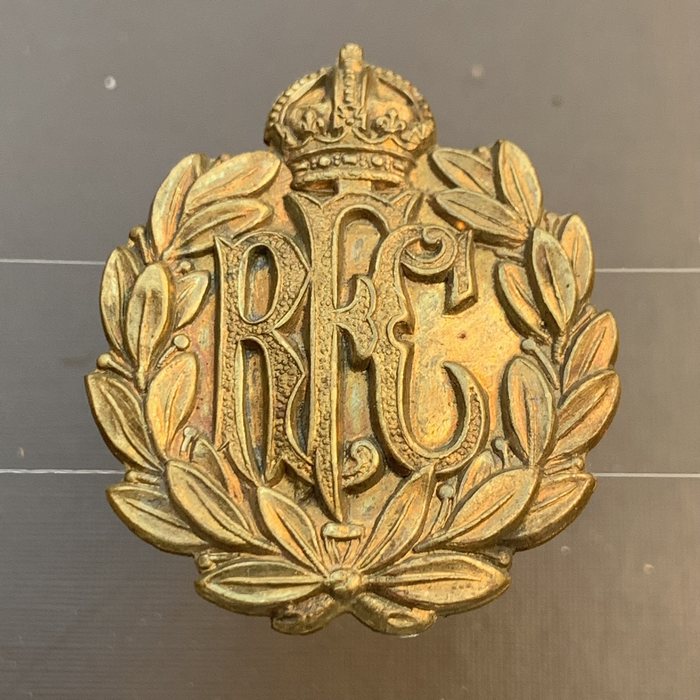
Metal badges suit formal blazers, prefect roles, and premium club use where a polished look matters. They also work well for small, simple marks like initials, mascots, or a single emblem.
They are less ideal for daily school wear if the blazer fabric is delicate, because pins can stress fibres and leave holes. They can also snag and may feel heavy if the badge is large.
Is enamel better than plain metal for a blazer badge?
Enamel can be better when they want colour that stays clean and glossy. Hard enamel offers a smooth, durable finish that resists scratching better than softer fills.
Plain metal can look more understated and traditional, especially in antique finishes. It can also suit designs that rely on relief and shine rather than colour.
Do leather or faux leather badges make sense on blazers?
Leather or faux leather can look premium and subtle, especially for heritage clubs or fashion-led uniforms. Debossed or foil-stamped designs can feel refined without being loud.
They are not always ideal for strict uniform settings. Leather can mark or dry out over time, and it can be harder to keep perfectly consistent in colour and texture across large batches.
Which backing and attachment method works best for blazer badges?
For blazers worn daily, sew-on is usually best. It sits flatter, looks more intentional, and avoids repeated pin holes that can weaken the fabric.
For removable badges, they can use a pin, clutch, or magnetic backing. Magnets reduce holes but can slip on thicker fabrics and are not suitable for everyone, so they should be used with care and clear guidance.
How do they match the material to the design and budget?
If the design is a traditional crest with bold shapes, embroidery is typically the safest choice. If the design includes fine detail or small text, woven often gives a cleaner result.
If they need high colour accuracy or complex artwork, printed can be cost-effective for short runs. For a premium look in small quantities, metal or enamel can justify the higher unit cost.
What materials usually last the longest on blazers?
Embroidered and woven badges tend to last the longest when they are stitched on properly. They handle friction and wear well and remain presentable with basic care.
Metal and enamel can also last a long time, but the attachment points and the blazer fabric often become the weak link. A well-made badge still needs the right fixing to avoid damage and loss.
What is the simplest recommendation for most blazer badges?
For most blazers, an embroidered sew-on badge on a sturdy fabric base is the most reliable choice. It looks traditional, wears well, and is easy to standardise across groups.
When the design is highly detailed, a woven sew-on badge is usually the next best option. If they want a premium, formal look for limited roles, a small enamel or metal badge can work well.
FAQs (Frequently Asked Questions)
What factors should be considered before choosing a blazer badge material?
Before selecting a blazer badge material, consider how the badge will be worn and maintained, including daily use, washing, friction from straps, and repeated pinning. Also, take into account the blazer fabric and drape since heavier badges can pull on lightweight wool blends, and rigid badges may sit awkwardly on curved lapels or pockets.
Which badge materials are best suited for everyday school blazers?
For everyday school blazer badges, embroidered fabric is usually the most practical choice due to its durability, abrasion resistance, and secure attachment. Woven badges also work well when fine lines or small text are involved, offering neater detail at close range though with a flatter texture than embroidery.
When should woven badges be preferred over embroidered ones for blazers?
Woven badges are preferable when crisp detail is needed, such as small text or intricate patterns. Their finer threads and flatter surface provide clearer imagery than embroidery. They suit modern logos and detailed crests but lack the raised traditional texture associated with embroidered badges.
Are printed badges a good option for blazer use?
Printed badges can be suitable for blazers requiring full-colour artwork, gradients, or photographic detail, especially when designs change frequently like in events or special awards. However, printed finishes generally do not age as well as embroidered or woven ones and may fade or scuff over time, particularly on edges or high-contact areas.
What are the advantages of metal and enamel badges for formal blazers?
Metal badges offer a polished look ideal for formal blazers, prefect roles, and premium clubs. They work well for small simple marks like initials or emblems. Enamel adds colour that stays clean and glossy with hard enamel providing a smooth durable finish resistant to scratching. Plain metal offers an understated traditional appearance suitable for designs relying on relief and shine.
Which backing and attachment methods are recommended for blazer badges?
For blazers worn daily, sew-on backing is best as it sits flatter, looks intentional, and avoids repeated pin holes that can weaken fabric. For removable badges, pin, clutch, or magnetic backings can be used; however, magnets may slip on thicker fabrics and aren’t suitable for everyone so should be used cautiously with clear guidance.
