
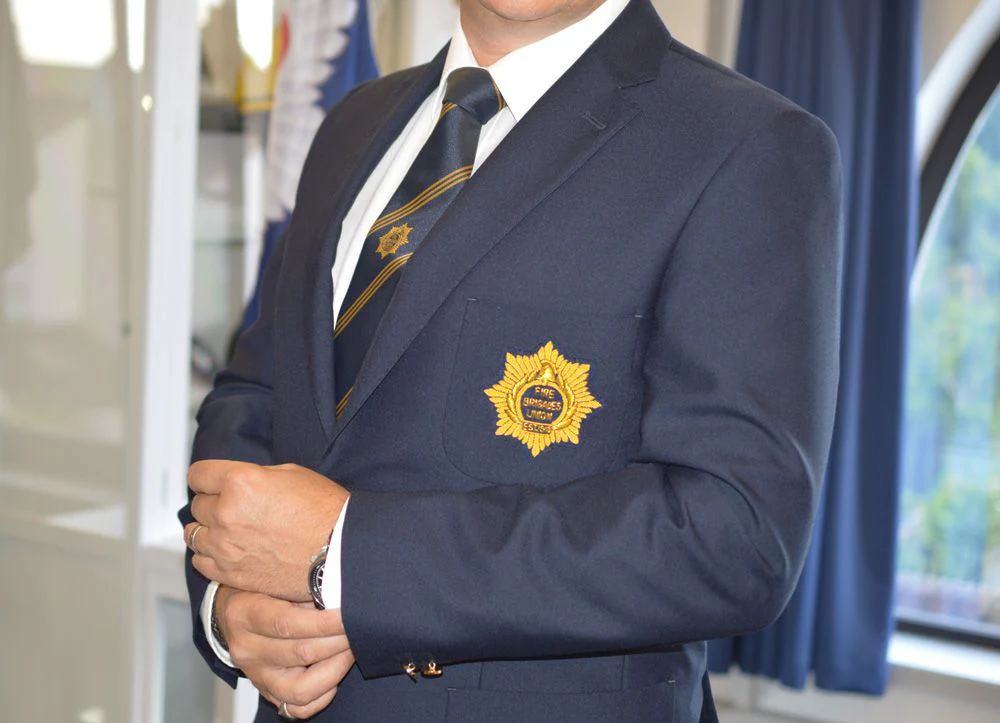

They also feel more “official” than many other branded items. When someone wears a badge on a blazer, the brand looks established, consistent, and easy to remember.
How do blazer badges make a brand instantly recognisable?
Blazer Badges make a brand recognisable by creating a fixed visual cue on a familiar garment. A blazer badge sits where people naturally look—on the chest—so it becomes part of the wearer’s identity in that setting.
Unlike a printed slogan that can fade or distort, a well-made badge stays crisp. Over time, the repeated exposure helps others associate the colours, crest shape, and typography with the organisation.
Why do blazer badges feel more premium than other branding?
They feel premium because they are tactile and built to last. Embroidery, metal thread, woven patches, or enamel details create depth that looks more like a mark of membership than an advert.
That premium feel matters for perception. If the badge looks high quality, people often assume the organisation has standards, history, or authority, even before a word is said.
How do blazer badges support consistency across teams and locations?
They support consistency by standardising one visual element across many people. Even if blazers differ slightly, the same badge makes the group look unified.
This is especially useful for organisations with multiple branches, events, or departments. A consistent badge reduces confusion and helps the public connect different encounters to the same brand.
What role do colours and symbols on blazer badges play in memory?
They improve memory by giving the brain simple patterns to store. Strong colour contrast, a clear emblem, and readable lettering make a badge easier to recognise in passing.
Symbols also carry meaning quickly. Crests, shields, initials, and icons can communicate heritage, sport, education, or service at a glance, which helps the brand stick without explanation.
How can blazer badges turn staff into brand ambassadors?
They turn staff into brand ambassadors because the brand becomes visible wherever the blazer is worn. People notice a badge in meetings, receptions, presentations, and travel, which creates passive marketing without extra effort.
It also shapes behaviour. When someone wears a badge, they often act more responsibly because they represent something larger than themselves, which can reinforce the brand through experience, not just visuals.
Which situations benefit most from blazer badges?
They work best where trust, identification, and first impressions matter. Common examples include schools, clubs, hospitality, corporate events, exhibitions, and security or stewarding roles.
They also suit occasions where photography is likely. In group photos, a blazer badge keeps the brand present without needing banners, backdrops, or large printed logos.
How should organisations design blazer badges for stronger recognition?
They should prioritise simplicity, legibility, and repeatability. A badge that looks great up close but becomes a blur at two metres will not build recognition in real settings.
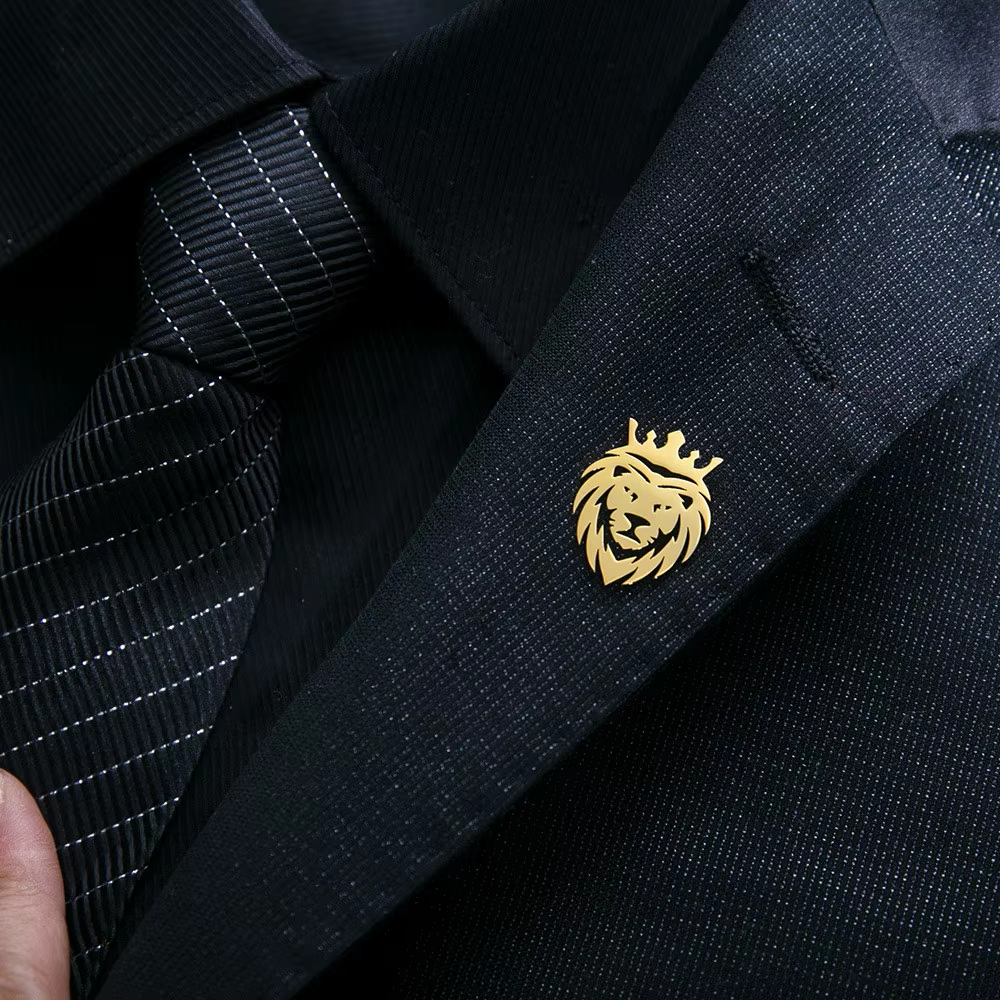
Key design choices include using a limited colour palette, avoiding tiny text, and sticking to one primary mark. It also helps to define exact specs, such as thread colours, border shape, and size, so every batch matches.
What mistakes reduce the impact of blazer badges?
They lose impact when they are inconsistent or overly complex. Frequent redesigns, multiple versions in circulation, or poor colour matching can dilute recognition.
Low-quality production also hurts. Frayed edges, uneven stitching, or cheap materials make the brand look careless, which can undermine the very credibility the badge is meant to create.
How can blazer badges improve brand recognition over time?
They build recognition through repeated, consistent exposure. Each time someone sees the same badge in a familiar position, the brand becomes easier to identify and recall.
Over months and years, that repetition creates a shortcut in people’s minds. When they later see the logo online, on signage, or on documents, it feels familiar, and familiarity is often what drives trust and preference.
FAQs (Frequently Asked Questions)
How do blazer badges enhance brand recognition effectively?
Blazer badges enhance brand recognition by providing a fixed visual cue on a familiar garment, positioned at eye level on the chest. This consistent placement allows the logo to become part of the wearer’s identity, and their durable design ensures the brand remains crisp and memorable over time.
Why are blazer badges considered more premium compared to other branded items?
Blazer badges feel more premium due to their tactile nature and durable materials like embroidery, metal thread, woven patches, or enamel details. This depth makes them appear as marks of membership rather than mere advertisements, conveying an impression of quality, authority, and established standards.
In what ways do blazer badges support brand consistency across different teams and locations?
Blazer badges standardise a single visual element across various individuals, unifying groups even if blazers differ slightly. This consistency is especially valuable for organisations with multiple branches or departments, helping the public connect diverse encounters to the same brand seamlessly.
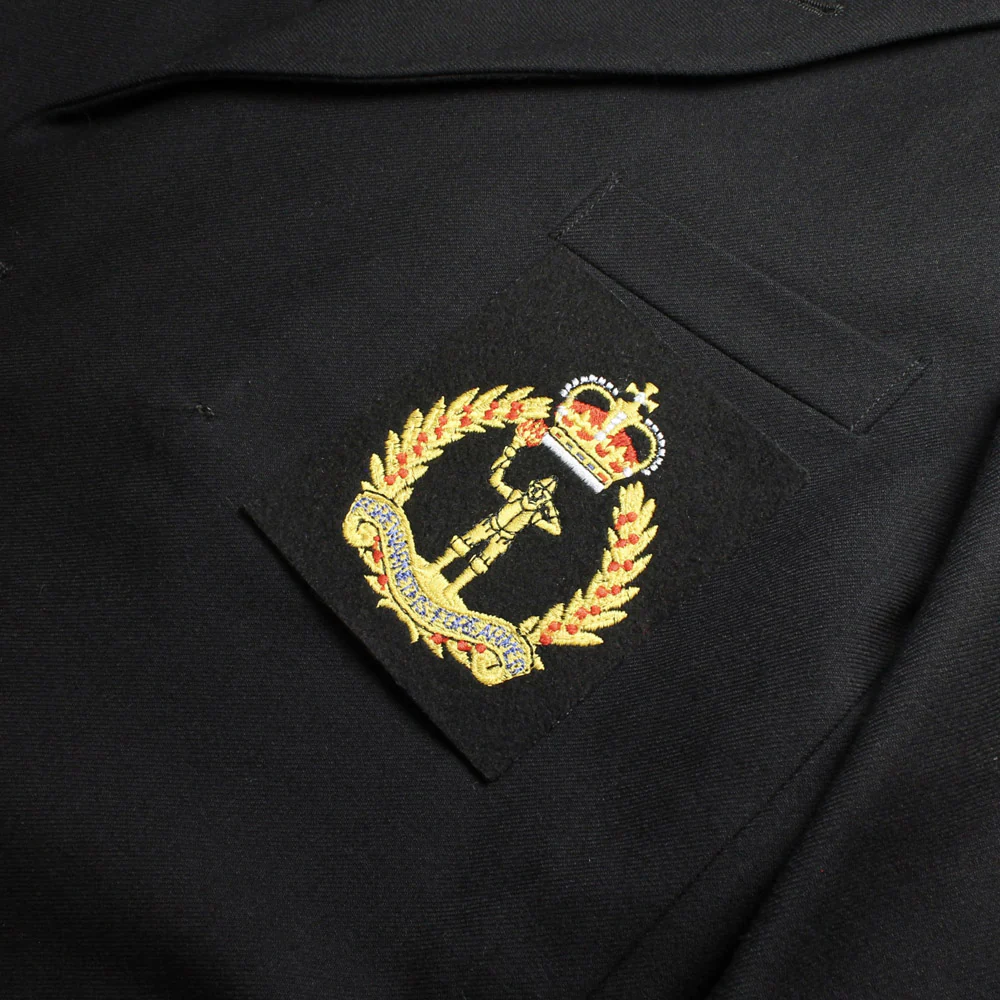
What impact do colours and symbols on blazer badges have on brand memory?
Colours and symbols on blazer badges aid memory by offering simple, high-contrast patterns that are easily recognised. Emblems like crests or shields quickly communicate heritage or purpose, enabling the brand to stick in people’s minds without needing lengthy explanations.
How do blazer badges transform staff into effective brand ambassadors?
Blazer badges make the brand visible wherever worn—during meetings, events, or travel—creating passive marketing effortlessly. Wearing a badge also encourages staff to act responsibly as representatives of their organisation, reinforcing the brand through both visuals and behaviour.
What design principles should organisations follow to create impactful blazer badges?
Organisations should focus on simplicity, legibility, and repeatability when designing blazer badges. Using a limited colour palette, avoiding tiny text, and maintaining one primary mark ensures recognisability even from a distance. Defining exact specifications like thread colours and badge size guarantees consistency across all batches.
