
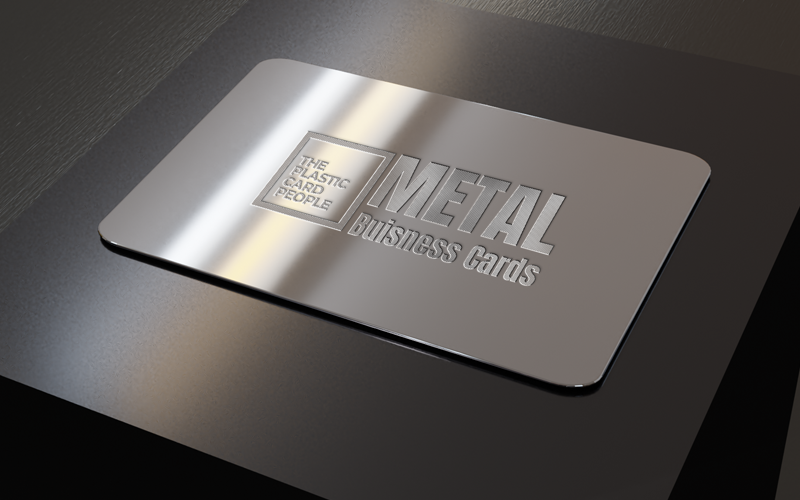

What Are Premium Metal Business Cards And Why Do They Matter?
Premium metal business cards are physical networking tools crafted from materials like stainless steel, aluminium, or brass, designed to create an immediate impression of quality and professionalism. Unlike conventional paper cards that bend, tear, or fade, these durable business cards offer a substantial weight and tactile presence that commands attention during introductions.
The appeal extends beyond mere durability. Metal cards signal investment in personal branding and attention to detail. When someone receives a metal card, they’re holding something that feels valuable—an object they’re less likely to discard compared to paper alternatives.
Innovation drives differentiation in competitive business environments. Traditional paper cards have become commoditised, with millions looking virtually identical. Innovative designs transform business cards from disposable contact information into memorable brand artefacts. Techniques like laser etching, CNC cutting, and mirror polishing allow professionals to express their brand identity through physical form.
The fundamental difference between metal and paper cards lies in three key areas:
- Longevity: Metal cards resist water damage, creasing, and general wear
- Perceived value: The weight and finish communicate premium positioning
- Memorability: Recipients remember both the card and the person who gave it
Metal cards serve dual purposes as functional contact tools and conversation starters. The unusual material immediately prompts questions, creating natural networking opportunities. This psychological impact makes premium metal business cards particularly valuable for entrepreneurs, executives, and creative professionals seeking to stand out in crowded markets.
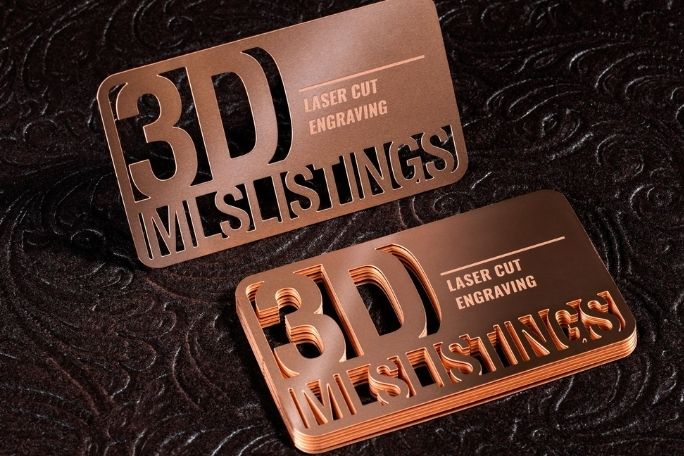
1. What Materials Are Commonly Used for Premium Metal Business Cards?
Stainless steel business cards, aluminium business cards, and brass business cards represent the three most popular material choices for premium metal cards. Each metal brings distinct properties that influence both the card’s physical characteristics and the impression it creates.
Stainless Steel: The Durability Champion
Stainless steel business cards offer unmatched durability and resistance to corrosion, making them ideal for professionals who want cards that withstand years of handling. The material’s natural weight creates an immediate sense of quality when handed to a recipient. Stainless steel accepts various finishing techniques exceptionally well, from mirror polishing to brushed textures, allowing designers to achieve diverse aesthetic outcomes.
The metal’s strength enables intricate cut-through designs without compromising structural integrity. Stainless steel maintains its appearance even in challenging environments, resisting scratches, moisture, and temperature fluctuations. This resilience makes it particularly suitable for industries where longevity and reliability are core brand values.
Aluminium: Lightweight Yet Impressive
Aluminium business cards provide a compelling balance between premium feel and practical portability. The material weighs significantly less than stainless steel whilst still delivering a substantial tactile experience that distinguishes it from paper alternatives. This lighter weight makes aluminium cards comfortable to carry in larger quantities without adding excessive bulk to wallets or cardholders.
The metal’s softer composition allows for easier fabrication of complex shapes and detailed engravings. Aluminium accepts anodising treatments that introduce vibrant colours whilst enhancing surface durability. The material’s natural oxide layer provides inherent corrosion resistance, ensuring cards maintain their appearance through regular handling.
Brass: The Luxury Statement
Brass business cards exude warmth and luxury through their distinctive golden hue. The material’s natural colour creates an immediate visual impact that communicates prestige and exclusivity. Brass develops a unique patina over time, adding character and authenticity that some brands embrace as part of their identity.
The metal’s malleability facilitates intricate engraving and embossing work, allowing for highly detailed designs. Brass accepts various plating treatments, including nickel or chrome finishes, expanding design possibilities whilst maintaining the material’s fundamental appeal.
2. How Does Laser Etching Enhance Metal Business Card Designs?
Laser etching uses concentrated beams of light to vaporise microscopic layers of metal, creating permanent marks with exceptional precision. This technique removes material from the surface rather than adding ink or coatings, ensuring the design remains intact through years of handling and exposure.
The process allows designers to achieve intricate detailing impossible with traditional printing methods. Logos with hairline strokes, complex geometric patterns, and even photographic-quality portraits can be reproduced on metal surfaces with remarkable clarity. Text as small as 4-point font remains legible, making it ideal for including detailed contact information or intricate brand elements.
Key advantages of laser etching for customisation on metal include:
- Permanent durability – Etched designs won’t fade, peel, or wear away like printed graphics
- Microscopic precision – Achieves detail resolution down to 0.1mm for complex artwork
- Depth variation – Multiple passes create different etching depths for dimensional effects
- Contrast control – Darker or lighter marks depending on laser intensity and metal type
The technique excels at personalisation because each card can feature unique information without additional setup costs. Individual names, QR codes, or serial numbers get etched with the same quality as repeated elements. This makes laser etching particularly valuable for companies wanting to create distinctive cards for different team members whilst maintaining consistent branding.
Metal surfaces respond differently to laser etching based on their composition. Stainless steel produces high-contrast dark marks through oxidation, whilst aluminium creates subtle grey tones. Brass develops a distinctive golden-brown patina when etched, adding warmth to the design. These natural colour variations enhance brand representation by providing authentic material characteristics rather than artificial colouring.
The precision of laser etching enables designers to incorporate negative space strategically. Fine line work creates elegant borders, whilst detailed patterns can fill backgrounds without overwhelming primary information. Gradient effects achieved through varying dot density add sophistication, transforming functional contact cards into miniature works of art that recipients genuinely want to keep.
3. What Role Does CNC Cutting Play in Creating Unique Card Shapes?
CNC cutting transforms metal business cards from simple rectangles into distinctive branded statements through computer-controlled precision cutting. This technology uses programmed instructions to guide cutting tools with micron-level accuracy, enabling designers to create intricate patterns, custom shapes, and structural modifications impossible with traditional manufacturing methods.
Understanding CNC Cutting Technology
Computer Numerical Control (CNC) cutting employs automated machinery that follows digital design files to cut metal with exceptional precision. The process works by securing the metal sheet whilst a high-speed cutting tool—typically a laser, plasma cutter, or mechanical mill—removes material according to the programmed pattern. This level of control allows for repeatable results across hundreds or thousands of cards whilst maintaining consistent quality.
The technology excels at creating clean edges and complex geometries that would be prohibitively expensive or impossible using manual techniques. Tolerances can reach as tight as 0.01mm, ensuring every card matches the original design specifications exactly.
Cut-Through Elements That Command Attention
One of the most striking applications of CNC cutting involves creating negative space within the card design:
- Logo cutouts that reveal the background when held up to light
- Geometric patterns that transform the card into a decorative object
- Window sections that frame specific information or create layered effects
- Perforated edges that add texture whilst maintaining structural integrity
A tech company might feature their circuit board-inspired logo as a precise cut-through pattern, whilst an architect could showcase building silhouettes that demonstrate their design philosophy. These openings create visual interest from multiple angles and invite recipients to examine the card more closely.
Structural Modifications Beyond Standard Rectangles
CNC cutting enables custom shapes that break free from conventional business card dimensions. Designers can craft cards shaped like:
- Product silhouettes relevant to the business
- Abstract geometric forms that reflect brand identity
- Cards with rounded corners, angled edges, or asymmetric profiles
- Multi-piece designs that interlock or separate for different purposes
A guitar manufacturer might produce cards shaped like miniature guitar picks, whilst a key cutting service could create cards resembling actual keys. These custom shapes make the cards instantly recognisable and difficult to discard.
4. How Do Brushed Metal Finishes Contribute to Sophistication?
Brushed metal finishes create a refined, professional appearance through fine, unidirectional grain patterns etched across the card surface. This textured surface results from mechanical abrasion using fine-grit materials, producing parallel micro-scratches that scatter light in a controlled manner.
The technique transforms ordinary metal into a canvas of understated luxury. Unlike highly reflective surfaces, the brushed metal finish diffuses light evenly, creating a soft, matte sheen that exudes quiet confidence. This subtle interplay between light and shadow adds depth without overwhelming the design elements.
The Aesthetic Advantage
The grain pattern introduces visual movement whilst maintaining minimalist appeal. Each card catches light differently depending on viewing angle, creating dynamic interest without additional embellishments. This makes brushed finishes particularly effective for brands seeking a premium look that balances modernity with timelessness.
The texture works exceptionally well with laser-etched logos and text, as the contrast between smooth engraved areas and brushed backgrounds enhances readability. Stainless steel cards with brushed finishes often feature directional graining that guides the eye toward key information.
Practical Benefits Beyond Beauty
Brushed textured surfaces offer significant functional advantages. The microscopic grooves effectively hide fingerprints, smudges, and minor scratches that would be immediately visible on polished surfaces. This anti-fingerprint property ensures cards maintain their pristine appearance through repeated handling.
The finish also provides improved grip compared to smooth metal, reducing the likelihood of cards slipping from hands during exchanges. This tactile quality reinforces the premium nature of the card whilst serving a practical purpose.
Design professionals frequently specify brushed finishes in horizontal, vertical, or circular patterns to complement brand aesthetics. Horizontal brushing creates a sense of stability and tradition, whilst circular patterns radiating from a central point add contemporary flair.
5. Why Is Mirror Polishing a Popular Choice for Luxury Cards?
Mirror polishing creates an ultra-reflective finish that transforms metal business cards into gleaming statements of prestige. This meticulous process involves progressively finer abrasives that buff the metal surface to a flawless, glass-like sheen capable of producing clear reflections.
The technique requires multiple stages of refinement, starting with coarse polishing compounds and advancing through increasingly fine grades. Skilled craftspeople work the metal surface until it achieves a perfectly smooth plane, eliminating microscopic imperfections. The final buffing stage uses specialised compounds that bring out the metal’s natural lustre, creating that signature mirror-like quality.
Visual and Tactile Impact
The reflective finish immediately captures attention through its brilliant shine and depth. Light dances across the surface, creating dynamic visual interest that shifts with movement and viewing angle. Recipients instinctively notice the card’s premium quality through both sight and touch—the silky-smooth surface feels distinctly luxurious compared to matte or textured alternatives.
Stainless steel responds particularly well to mirror polishing, producing a cool, silvery reflection that exudes modern sophistication. Brass develops a warm, golden glow when mirror-polished, whilst copper takes on a rich, reddish sheen. Each metal’s unique colour properties become amplified through the polishing process.
Strategic Applications for High-End Branding
Luxury brands favour mirror polishing because it communicates exclusivity and attention to detail. The technique works exceptionally well for:
- Jewellery designers seeking to mirror their product’s polish
- Luxury automotive brands echoing chrome detailing
- High-end hospitality services projecting refined elegance
- Premium technology companies emphasising sleek innovation
The reflective surface serves as an ideal canvas for contrasting design elements. Laser-etched logos appear with striking clarity against the polished background, whilst selective polishing—where only certain areas receive the mirror treatment—creates sophisticated visual hierarchy. Some designers combine mirror polishing with matte sections, producing cards that balance brilliance with subtlety.
6. How Can 3D Fabrication Enhance Metal Business Card Design?
3D fabrication transforms flat metal surfaces into sculptural experiences that engage recipients on multiple sensory levels. This advanced manufacturing technique uses precision tools to create raised or recessed elements that add physical dimension to your card, turning a simple contact tool into a miniature work of art that demands attention.
The process involves removing or adding material to create dimensional designs that catch light differently from various angles. When someone receives a card with embossed logos or debossed text, their fingers naturally trace these features, creating an immediate tactile connection with your brand. This physical interaction lasts far longer in memory than a glance at a flat surface.
Creating Depth Through Raised and Recessed Patterns
Raised elements can range from subtle millimetre-high brand symbols to dramatic relief patterns that dominate the card’s surface. A law firm might feature a raised scales of justice icon, whilst a tech startup could showcase a circuit board pattern with varying depths. These elevated features create shadows that shift as the card moves, adding visual dynamism to static metal.
Recessed patterns work inversely, carving into the metal to create valleys and channels. Engraved contact details sit below the surface, protected from wear whilst maintaining crisp legibility. Some designs combine both approaches: a raised company name surrounding a recessed logo creates a framed effect that draws the eye to your brand identity.
Enhancing Sensory Engagement Through Touch
The human brain processes tactile elements differently from visual information, creating stronger neural pathways for memory formation. When someone runs their thumb across a textured metal surface, they’re not just reading your information—they’re experiencing your brand physically. This multi-sensory approach makes your card significantly more memorable than smooth alternatives.
Designers can incorporate various textures within a single card: smooth polished areas contrast with rough sandblasted sections, whilst raised geometric patterns provide grip points that make the card easier to handle. A restaurant might feature raised fork and knife silhouettes, whilst an architect could showcase a miniature building façade with windows cut at different depths.
Advanced Techniques in 3D Metal Card Production
Modern CNC machines can achieve tolerances of 0.01mm, allowing for incredibly intricate three-dimensional patterns.
7. How Do High-End Printing Techniques Improve Metal Card Customisation?
High-end printing on metal transforms blank metallic surfaces into vibrant canvases for brand expression. Advanced techniques like UV printing, screen printing, and digital printing allow businesses to apply full-colour graphics directly onto stainless steel, aluminium, or brass surfaces whilst maintaining the material’s inherent durability.
Advanced Printing Methods Compatible with Metal Surfaces
UV printing stands as the most versatile option for metal business cards, curing ink instantly through ultraviolet light exposure. This method bonds pigments directly to the metal surface, creating scratch-resistant designs that withstand daily handling. The technology accommodates both simple monochrome text and complex photographic imagery with equal precision.
Screen printing offers exceptional opacity and colour vibrancy, particularly effective for bold logos and solid colour blocks. Each colour requires a separate screen, making this technique ideal for designs with limited colour palettes but demanding maximum visual impact. The ink sits atop the metal surface, creating a subtle tactile dimension that complements the card’s premium feel.
Pad printing excels at transferring detailed logos onto curved or irregular metal surfaces. The silicone pad picks up ink from an etched plate and deposits it onto the card with remarkable accuracy, reproducing fine lines and small text that other methods might struggle to achieve.
Full-Colour Printing and Intricate Decorative Elements
Colour printing capabilities on metal have evolved to include photographic-quality reproduction with CMYK and spot colour options. Businesses can now incorporate:
- Gradient effects that shift seamlessly across the card surface
- High-resolution product photography or architectural imagery
- Multi-colour brand elements maintaining exact Pantone specifications
- Metallic inks that create depth against the base metal
The precision of modern printing equipment allows for registration accuracy within 0.1mm, ensuring decorative borders, patterns, and background textures align perfectly with cut edges and etched elements. Some manufacturers combine printing with selective varnishing, creating glossy highlights against matte printed areas for enhanced visual contrast.
Balancing Durability with Visual Impact
Printed metal cards must withstand environmental factors whilst preserving their aesthetic appeal. Protective clear coatings shield printed surfaces from abrasion, moisture,
8. What Are The Functional Benefits Besides Aesthetic Appeal For Using Metal Cards?
Metal business cards offer several functional benefits beyond their attractive look:
- Durability: Metal cards are much tougher than paper ones. They won’t tear, get wet, or wear out easily, so your contact information stays clear for a long time.
- Weight considerations: Metal cards are designed to be lightweight and easy to carry. They come in different thicknesses, but generally, they weigh between 10-15 grams, which is similar to a few paper cards stacked together.
- Practical features: The strength of metal allows us to add useful features to the cards. These include built-in bottle openers, QR codes for quick access to online profiles, NFC chips for contactless sharing, and even measurement rulers etched along the edges.
- Easy maintenance: Unlike paper cards that can get dirty or smudged with fingerprints, metal cards can be easily wiped clean. This means they always look professional and represent your brand well.
- Protection against bending: Metal cards are rigid and won’t bend or warp like paper cards can. This ensures that the card stays in good shape when stored in wallets or bags.
These functional benefits make metal business cards not only visually appealing but also practical and long-lasting tools for networking and promoting your brand.
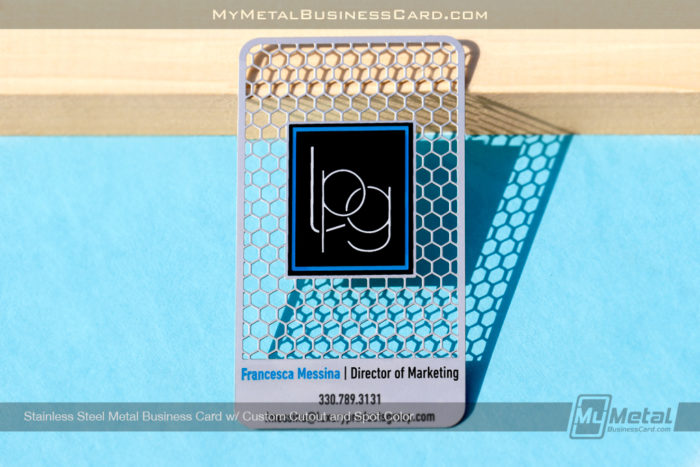
9. How Do Innovative Designs Effectively Reflect Brand Values In Metal Business Cards?
Metal business cards turn brand representation into something real that recipients can hold and touch. The choice of stainless steel communicates industrial strength and reliability, while brass suggests heritage and craftsmanship. A tech startup might choose aluminium with laser-etched circuit board patterns to convey innovation, whereas a luxury jeweller could go for mirror-polished gold-plated steel to reflect exclusivity.
Design elements act as visual shortcuts for company personality. Sharp, geometric CNC cut-outs project modernity and precision, making them ideal for architectural firms or engineering consultancies. Organic, flowing patterns created through 3D fabrication suit creative agencies seeking to demonstrate artistic expression. The texture alone tells a story—brushed finishes whisper understated confidence, while high-contrast etching shouts boldness.
Aligning Material Choices With Brand Identity
The process of selecting materials directly affects how people perceive your brand. Financial institutions prefer the weight and permanence of thick stainless steel to signal stability and trustworthiness. Environmental consultancies might opt for recycled aluminium with matte finishes to show their commitment to sustainability. Each material has its own associations that either support or contradict your brand message.
Finishing techniques enhance these material properties. A law firm using mirror polishing on brass creates an impression of sophisticated branding through reflective surfaces that suggest transparency and clarity. On the other hand, a craft brewery might use oxidised copper with intentionally uneven patina to communicate authenticity and artisanal values. These choices aren’t just decorative—they’re strategic brand statements.
Creating Memorable Branding Tools Through Design Innovation
The 10 innovative designs for premium metal business cards discussed throughout this article each offer distinct branding opportunities. Laser etching allows microscopic detail reproduction, perfect for brands with intricate logos or heritage crests requiring faithful representation. CNC cutting enables negative space manipulation, creating memorable silhouettes that recipients instantly associate with your company.
Colour application through advanced printing techniques adds another dimension to brand storytelling. A marketing agency might use vibrant, full-colour UV printing over brushed aluminium to showcase creative capabilities. Medical professionals often select monochromatic schemes with precise typography to project clinical professionalism. The card becomes a miniature billboard.
Conclusion
Premium metal business cards are a perfect blend of precise engineering and artistic vision. The 10 innovative designs for premium metal business cards explored throughout this guide show how modern manufacturing methods can turn a simple networking tool into a physical symbol of professional excellence.
The combination of durability and artistry creates networking moments that go beyond initial meetings. A stainless steel card with laser etching and CNC-cut elements doesn’t just sit in a wallet—it grabs attention every time someone pulls it out. The weight, texture, and intricate design of these cards ensure your contact information is both easy to access and hard to forget.
Investing in premium metal options brings tangible benefits through improved brand perception. When you give someone a brass card with a mirror finish and 3D details, you’re conveying a commitment to quality even before the conversation starts. Recipients associate the craftsmanship of the card with your professional standards.
Consider these factors when selecting your metal business card design:
- Material choice that aligns with your industry and brand personality
- Finishing techniques that enhance both aesthetics and functionality
- Structural innovations that create memorable tactile experiences
- Customisation methods that showcase your unique value proposition
The networking world rewards those who authentically stand out. Metal business cards made with innovative design techniques offer that uniqueness while still upholding the professionalism necessary for business relationships. Your card becomes an icebreaker, a signal of quality, and a lasting reminder of your brand’s dedication to excellence.
Discover the potential within premium metal business card designs. The right mix of material, technique, and creativity turns every interaction into an opportunity for a lasting impression.
More about Your Essential Guide to Ordering Tournament-Ready Custom Poker Chips
